
Introduction to Oman
Discover Oman; a Symphony of sands and seas, where heritage and harmony unite.
Discover Oman, where heritage and harmony unite in a captivating blend of ancient traditions and modern charm. Situated on the southeastern coast of the Arabian Peninsula, this West Asian gem beckons with its rich history, diverse landscapes, and vibrant culture.
Muscat, the capital and largest city, is a vibrant hub of activity, with its bustling souks, historical sites, and modern amenities. Here, you can explore the Sultan Qaboos Grand Mosque, a testament to Oman’s architectural prowess, or venture into the surrounding mountains for breathtaking views.
Beyond Muscat, Oman’s natural wonders await you. From the pristine beaches of Qurum and Al Mughsail or Bandar Al Jissah to the majestic Wahiba Sands, the country’s diverse landscapes offer a wealth of experiences for the adventurous traveler.
But it’s not just Oman’s landscapes that captivate visitors. The warmth and hospitality of the Omani people leave a lasting impression on all who visit. Whether you’re savoring traditional Omani cuisine or exploring the country’s rich cultural heritage, Oman welcomes you with open arms.
Discover a world of new possibilities with our reputation for excellence, crafting travel experiences that will long remain in your memory.


Oman General Information
Geography
Oman, officially the Sultanate of Oman, is a country located in West Asia. It is situated on the southeastern coast of the Arabian Peninsula, at the mouth of the Persian Gulf. It shares land borders with Saudi Arabia, United Arab Emirates, and Yemen, while sharing maritime borders with Iran and Pakistan.


Population
4,690 millions (2024)
Religion
Islam is the official religion in Oman, and the majority of the population adheres to it.

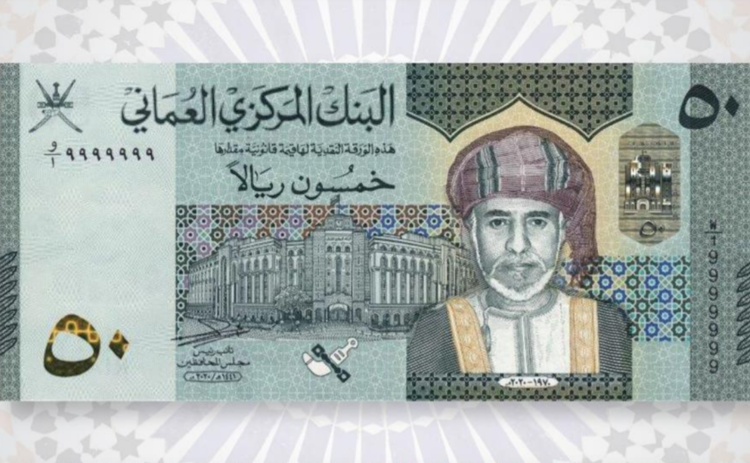
Curreny
The unit of currency is the Omani Rial (OMR 1 = 2.63 USD), which is divided into 1,000 Baizas. Banknotes are available in denominations of OR 50, 20, 10, 5, 1, 1/2 Rial, 250, 200 and 100 Baizas. Coins are also used for units of less than one (1) Rial.
Social Norms
Oman is a Muslim country, and it is important that visitors respect local customs. Women are advised not to wear sun dresses, miniskirts, shorts or low-cut dresses in public places (e.g. offices, souks, towns and shopping areas). The most appropriate attire in public is covered shoulders. Skirts below the knee with a sufficiently long top (below the hip) are also acceptable. Men should wear shirts and long pants. Shorts or beachwear should not be worn, except at the beach or pool.


Electricity
220 V with British 3-pin sockets
Public Transportation
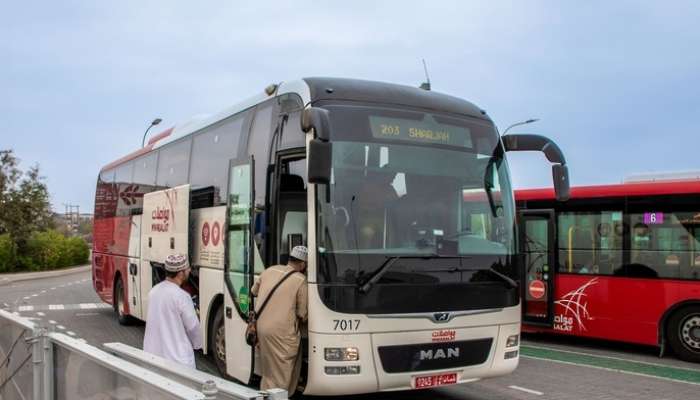
Oman has a developing public transportation system, primarily centered in Muscat. The city offers buses, taxis, and ride-sharing services for commuting. Additionally, car rentals are common for more flexibility. Outside Muscat, public transportation options may be limited, and private vehicles or guided tours are often preferred for exploring the country's diverse landscapes.

Opening Hours
In Oman, typical business hours are from 8:00 AM to 1:00 PM and 4:00 PM to 7:00 PM, Sunday through Thursday. Government offices and banks may have slight variations. Malls and commercial establishments often stay open until 9:00 PM or later. On Fridays, many businesses open in the afternoon. Keep in mind that during Ramadan, operating hours may change, and some places might close during fasting hours.
Instructions during Ramadan
During the holy month of Ramadan, all Muslims fast every day from sunrise to sunset. Fixed prayer times are observed, and during the day no Muslims eat, drink or smoke. All tourists are asked to avoid eating, drinking or smoking in public. There will be designated areas in public spaces. Hotel cafés remain open. The bars / mini-bars do not serve alcohol, although it can be ordered via room service after sunset. Dress appropriately. There are already guidelines on how to dress in public, but you should be particularly aware of your fashion choices during Ramadan. There may be some changes to fort and museum schedules, which will be communicated according to the itinerary.


Alcohol
Non-Muslims are allowed to bring in a limited quantity of two liters of alcohol per entry. Alcohol must not be consumed in public places outside authorized premises, such as hotels and restaurants. It is illegal to carry alcohol in your car. In addition, the police take traffic offences involving alcohol seriously, and fines may be imposed.
Renting a Car
Tourists can drive rental cars using their International driving licenses.


Medical Care in Oman
The country has an excellent medical infrastructure: English or French speaking doctors and specialists, dentists, and hospitals equipped and staffed to European standards. As a visitor, you will benefit from special attention by medical staff.
